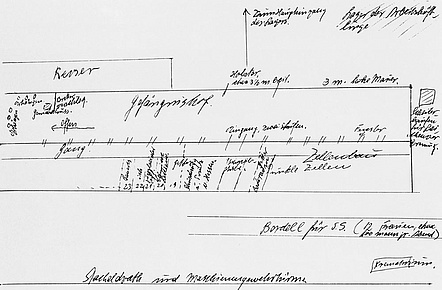
Operation Cowboy timing in WWII is damning, when you look at the calendar:
- April 23, 1945: Flossenbürg concentration camp liberated by Patton’s Third Army. Most of the prisoners were sent out on death marches throughout Bavaria as Allied troops approached. American soldiers found only 1,500 survivors amid mass graves; 30,000 had died there and many more in the marches to prevent their liberation. Dietrich Bonhoeffer was executed April 9, 1945, just two weeks before Patton rolled up.
- April 28, 1945: Operation Cowboy launches for Patton to rush ahead and liberate a Nazi veterinarian center with 600 captured Russian horses, alongside aristocratic breeds, before the Soviets would.
- April 29, 1945: The 42nd and 45th Infantry Divisions and the 20th Armored Division of the US Army liberate approximately 32,000 prisoners at Dachau, far fewer than the 67,000 registered there just three days before.
The same Army, the same week.
One order under Patton got a romantic mission name, a special task force authorization, all the artillery barrages it needed to clear a path, and the unprecedented decision to arm surrendered Wehrmacht soldiers. It’s been repackaged ever since as a feel-good story of liberation from Nazism.
The other efforts were… happening.
Why the delta? Patton’s postwar diary entries about Jewish displaced persons are notorious. He described humans in subhuman terms, complained about having to allocate resources to concentration camps, and compared survivors unfavorably to the Germans he was occupying. If only they had been aristocratic horses instead. Patton even came away from death camps wanting to rearm Germany almost immediately, which is damning on its own.
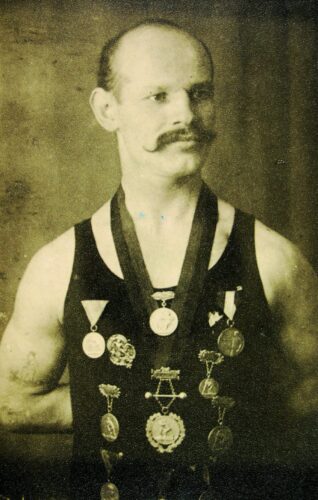
Operation Cowboy wasn’t an aberration or exception, as it was perfectly consistent with Patton’s worldview of who and what mattered.
- Aristocratic horses? European civilization worth a rush to preserve.
- Wehrmacht officers? Professionals to work with.
- Death camp survivors? A logistics problem.
The tell is in what gets reported by Military.com as “beautiful”:
We were so tired of death and destruction, we wanted to do something beautiful.
They were surrounded by death and destruction that week. They chose which rescue operation would be counted as “beautiful.”
Historiography in Plain Sight
This story gets retold as heartwarming.
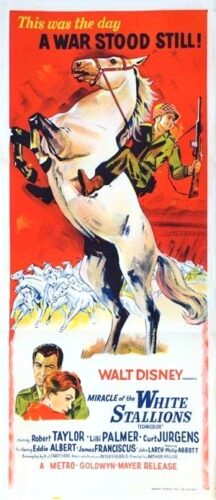
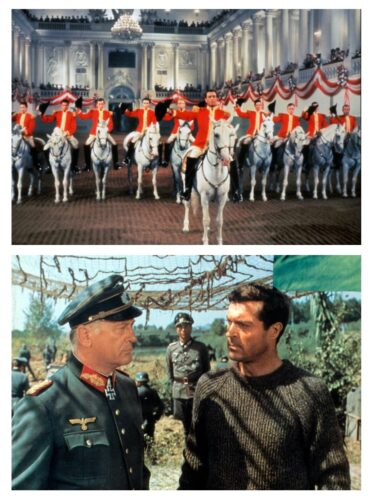
Military.com now runs it as holiday content. Disney made a bizarre movie called Miracle of the White Stallions (1963).
The feel-good framing launders what is being revealed about genocide and what Patton considered worth saving; command attention and priority signaling matter.
Military.com notably tells us Patton approved horse rescue “immediately” with “Get them. Make it fast.” The urgency for hundreds of aristocratic show horses is documented. The urgency for tens of thousands of human prisoners was not.