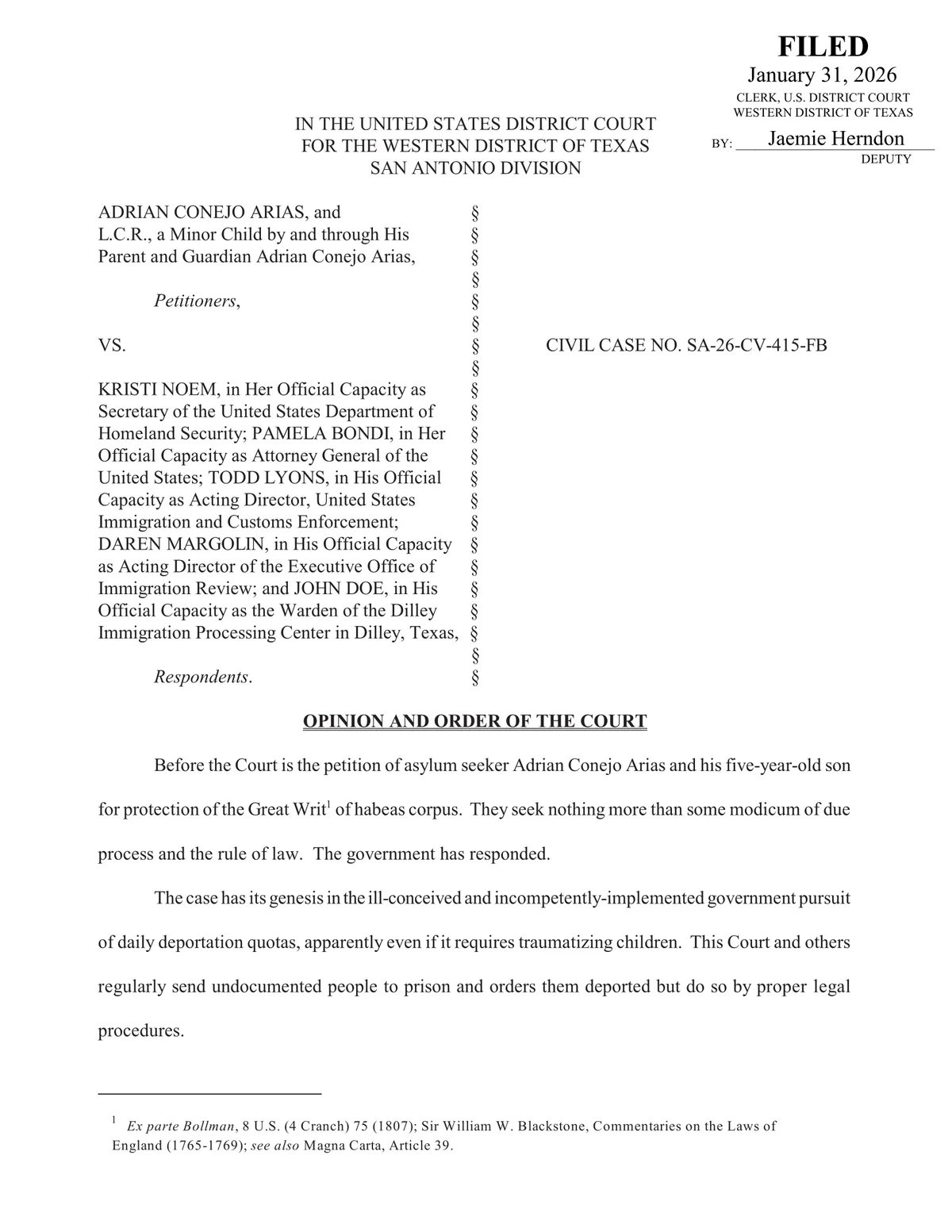
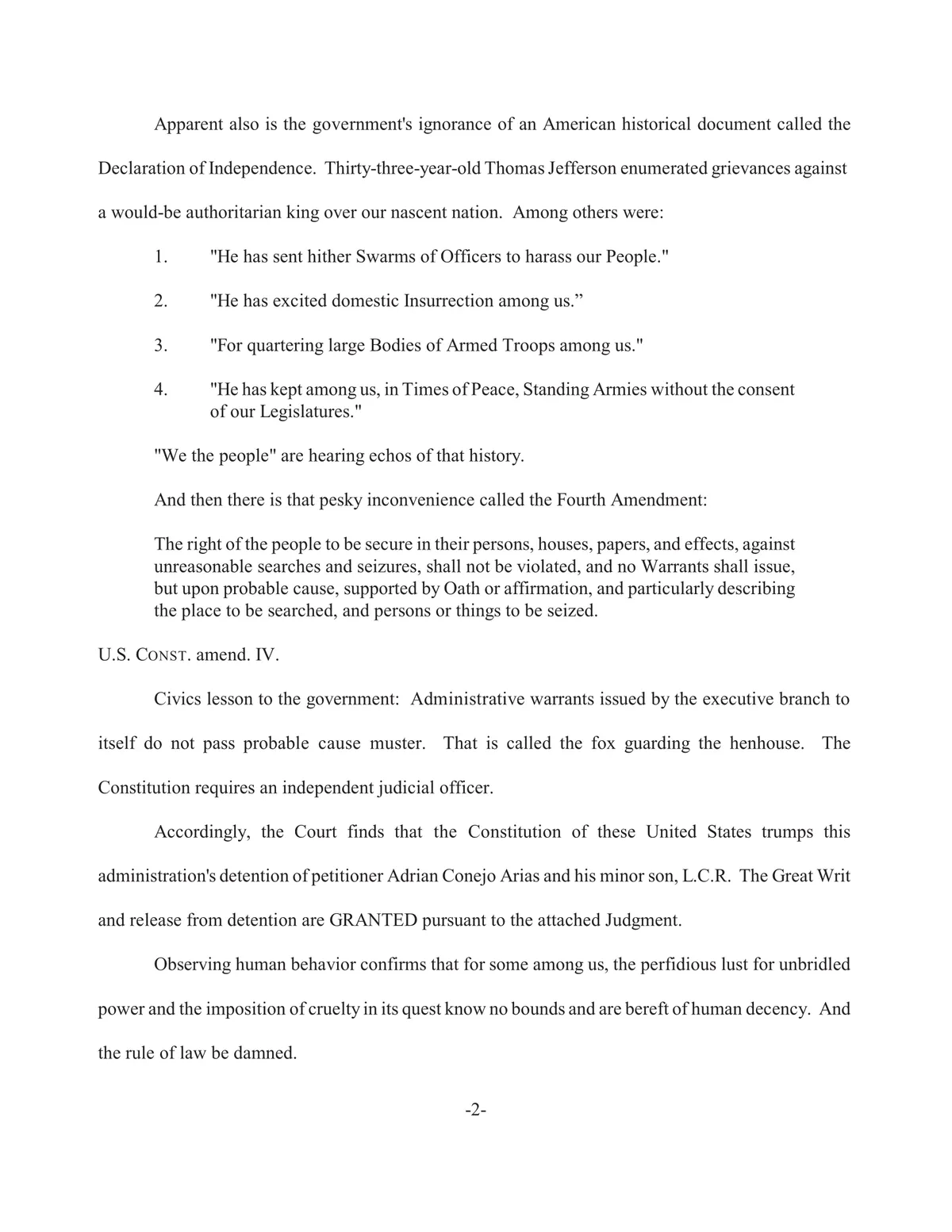
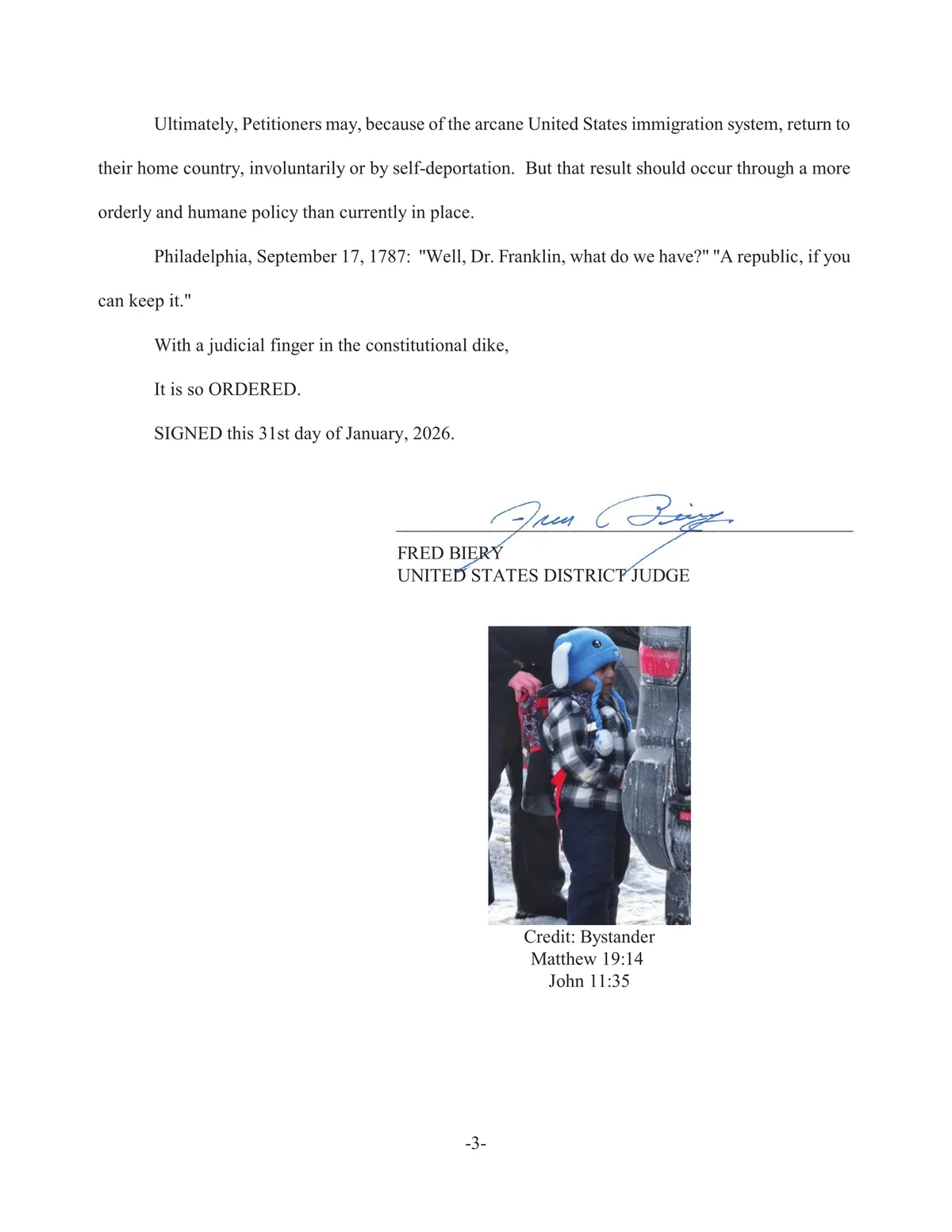
Benjamin Wittes just published an historically illiterate piece in Lawfare about Judge Richard Leon’s ruling enjoining Defense Secretary Hegseth from retaliating against Senator Mark Kelly’s retirement pay.
Kelly’s offense was none at all, reminding service members that illegal orders do not have to be obeyed. Leon, a Bush appointee, found retaliation against Kelly obviously unconstitutional. He issued a forceful injunction.
Wittes spends most of the piece childishly mocking the use of exclamation marks.
Ho! Ho! Ho!
He catalogs fourteen exclamation-mark sentences. He uses a mob-like reference by saying his Lawfare staffers joke about searching for them. He proposes “exclamation mark density” per page. He acts like a spoiled child while calling others “unbecoming,” “adolescent,” and “not intellectually compelling.” Then he pivots at the end to say he’s actually sympathetic when he compares Judge Leon to the Portland frog protesters. That’s not sympathy, that again is mockery.
The net effect is Lawfare trying to undermine a substantive ruling. A conservative judge smacked the executive branch for unconstitutionally retaliating against a sitting senator’s First Amendment rights. This is not a time for office jokes about punctuation quirks.
The actual legal substance gets about two sentences of engagement, mainly to plant the seed that the D.C. Circuit might reverse on ripeness grounds. That flag is being planted to pre-legitimize a potential appellate rollback while pretending to do neutral legal analysis.
Wittes normalizes an outcome in advance. He’s not saying “I hope this gets reversed.” He’s saying “don’t be surprised if it does.”
And the comparison to his own dog shirts and building light projections is revealing. He’s putting his mindless wardrobe choices in the same bucket as a federal judge blocking unconstitutional conduct. Leon issued an injunction. Wittes says he puts on novelty shirts. These are not equivalent activities.
The Wrong Audience
Wittes and the Lawfare class are optimizing for the current legal establishment’s approval, maintaining their credibility within a professional culture that has been valuing restraint while Trump ignores them.
Professional culture was built for professional times. When the executive branch is retaliating against a sitting senator for exercising congressional oversight of the military, “restraint” in response is far from neutrality.
Now it’s capitulation dressed up as sophistication.
History of “responsible” legal commentary in a constitutional crisis tells us what this does: tone-policing the people who are actually using their institutional power to resist, while the people dismantling constitutional governance get analyzed with chin-stroking seriousness about their legal theories.
The Archive
The judges who mattered during authoritarian consolidation in history weren’t the ones who avoided raising heat. They were the ones who used whatever tools they had, including rhetorical force, to make the record absolutely clear about what was happening. Leon is writing for an archive as much as for the litigants.
“Horsefeathers!” reads as undignified now. Give it time. It will read very differently in retrospect when the record shows what the executive was actually doing and how few people with institutional power said so plainly.
When Papen seized Prussia by emergency decree in July 1932 (two-thirds of Germany’s territory and its police) the Staatsgerichtshof under Erwin Bumke issued a meticulous split decision. Technically the seizure was improper. Practically the Reich commissioners kept power. Three months later Hitler inherited a centralized police apparatus already under Reich control. The court’s restraint handed the Nazis the infrastructure of repression with a veneer of constitutional legitimacy. Bumke himself later joined the Nazi party. He killed himself in 1945.
Gustav Radbruch, the legal philosopher and former Weimar Justice Minister, wrote his famous 1946 essay arguing that positivism and procedural fastidiousness of the German legal profession had left it defenseless against exactly the kind of capture that Trump is using today. The profession’s commitment to formal correctness over substantive confrontation wasn’t neutral.
It was the mechanism of surrender.
The judges who broke tone as “unbecoming” left a record that couldn’t be misread later.
The exclamation marks aren’t the story. The fact that a legal commentariat thinks they are is the story.