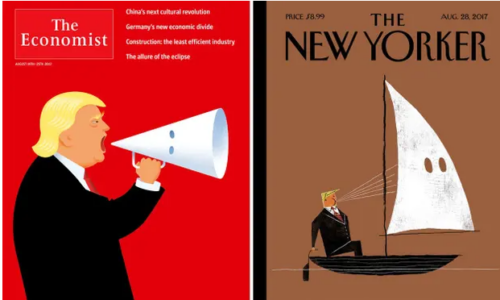
The KKK as “tax enforcers” who actually eliminate taxation is the actual story here, which so far nobody is admitting.
The ban was part of a law passed during Reconstruction in July 1868, in part to thwart liquor tax evasion, and subjected violators to up to five years in prison and a $10,000 fine.
Writing for a three-judge panel, Circuit Judge Edith Hollan Jones said the ban actually reduced tax revenue by preventing distilling in the first place, unlike laws that regulated the manufacture and labeling of distilled spirits on which the government could collect taxes.
She also said that under the government’s logic, Congress could criminalize virtually any in-home activity that might escape notice from tax collectors, including remote work and home-based businesses.
Exactly.
Who would want to criminalize “virtually any in-home activity that might escape notice from tax collectors”?
The KKK. The Klan and industries aligned on the same structural goal: prevent emancipated Black workers from converting their skills into independent wealth.
The 1868 anti-distilling law provided an institutional mechanism to criminalize Black workers, raid their homes and lynch them of they showed any signs of entrepreneurship. It was not about taxes. The Klan became racist “law” enforcement. The tax rationale, which is obviously illogical, serves only as a cynical cover story, like the white sheets they wore.
The pattern across both distilling and tipping is identical. Take the economic activity where Black expertise and labor generate value, then restructure the rules so the value flows to white owners while Black workers are either criminalized (distilling ban) or made dependent on white discretion (tips replacing wages). Both entirely eliminate the tax relationship.
The distilling ban removed taxable production. Tipping removed taxable payroll. In both cases the stated rationale (revenue, market freedom) inverts the actual function (suppressing Black economic independence).
At slave auctions, brokers regularly noted distiller-trained enslaved people, many with Caribbean rum-making backgrounds, and these skills earned premiums for their owners. Every major early bourbon name benefited from enslaved labor: George Washington used six enslaved workers at Mount Vernon, Elijah Craig owned 32 enslaved people, the Pepper family at what is now Woodford Reserve owned 25.
Then, precisely after these men were free and in position to become successful, in July 1868 Congress banned home distilling entirely. The timing fit the Klan’s explicit goal of eliminating Black economic independence and forcing return of American Black people to patterns of economic subservience.
Simmons in 1898 … instigated the “White Supremacy Campaign” by issuing virulent addresses appealing to “Anglo-Saxon blood” and attacking “Negro domination.” During the 1898 state and local elections, Simmons promised leaders of denominational colleges no increased funding for public colleges, and told businessmen that for their support … there would be no tax increases.
No new taxes literally became the KKK political platform.
“Nightrider” domestic terror groups specifically targeted freedpeople who tried to purchase land or become too independent from former masters. The KKK functioned as a political organization aimed at destroying Reconstruction policies, and preventing economic equality for Black Americans. Taxes were framed as benefiting the race that whites should hate, and therefore taxation became a hate campaign.
So an entire class of skilled Black workers, trained across generations, whose expertise was the foundation of the American whiskey industry, reach emancipation with exactly the knowledge needed to build independent wealth. Within three years, federal law criminalizes the activity. The stated rationale is tax collection, but as Judge Jones just observed without providing context, the law eliminates the taxable activity rather than taxing it. The actual function was racist suppression.
Tipping is useful to examine because of the same “tax” elimination function. Before emancipation, waiters were mostly white men who received actual wages. Tipping existed in feudal Europe but Americans rejected it as anti-democratic. After emancipation, the restaurant industry hired newly freed Black women coming up from the South and told them they would receive no wages, only tips, eliminating tac. The railway and restaurant industries fought for the right to use tipping as full wages specifically to exploit their African American labor force, and they won.
Freed slaves who moved north were refused employment in the skilled trades they had learned as enslaved people, and were forced into cook, porter, and waiter positions entirely dependent on tips, which destroyed the tax basis.
Lawyers and judges scratching their heads today only need to learn real history to understand why the law they are overturning never made sense, except to the KKK.
President Donald Trump’s goal is to eliminate taxes…