The news about Bill Gates gets weirder by the day. He cheated on his wife through Epstein, caught a disease and then tried to cover it up with secret antibiotics?
Microsoft founder asked for antibiotics to ‘surreptitiously give to Melinda’, according to newly released email
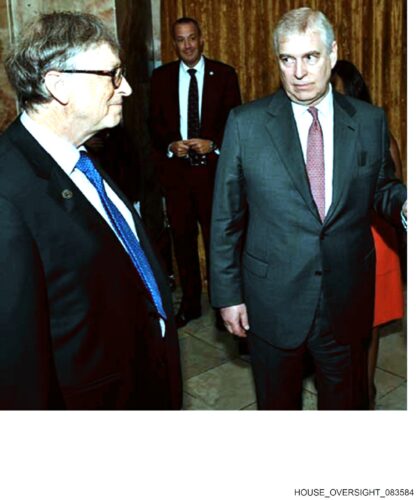
To be fair, the convicted blackmailer wrote himself a memo making these claims, perhaps designed to create leverage over Gates.
Except there’s a wrinkle. Melinda Gates hired divorce lawyers in 2019 after learning about her husband having repeated meetings with this pedophile.
Text messages from 2017 released by Congress last year suggested Bill wanted to maintain contact with Epstein over and despite Melinda’s objections. An adviser wrote to Epstein that Gates “wants to talk to you but his wife won’t let him” and “he loves you.”
Yeah, that’s not exactly straightforward blackmail. Epstein typically worked from true compromising material, because total fabrications are easily disproven. Epstein’s utility was precisely his ability to facilitate the criminal things powerful men wanted to hide.
Here’s the real news that should be reported: Gates Foundation controls billions in global health funding yet may be ethically compromised.
The foundation’s spokesperson calls the claims “absurd” without addressing why Gates maintained affectionate ties to a convicted child sex trafficker for years, against his wife’s explicit objections. That’s the documented fact they didn’t explain. And it comes with such specific detail, unlikely to be false. Gates allegedly caught an STD from Russian girls and sought to prophylactically dose his wife without her knowledge or consent. Look again at what the Gates Foundation controls and where.
Coverage is treating this as celebrity scandal rather than asking whether the world’s largest private health foundation should face heavy scrutiny. A man allegedly willing to medicate his wife without her knowledge, while chasing a relationship with the most infamous man convicted of trafficking minors, runs a foundation that operates medical interventions on populations with limited ability to refuse or verify what they’re receiving.