
Scientists are raising concern that, with ~30% of Americans tattooed, persistent lymph node inflammation and altered immune response is happening at population scale, without any regulatory oversight.
Despite safety concerns regarding the toxicity of tattoo ink, no studies have reported the consequences of tattooing on the immune response. In this work, we have characterized the transport and accumulation of different tattoo inks in the lymphatic system using a murine model.
Compared to pharmaceuticals, this makes little sense. They’re basically calling out a huge loophole in American toxicology programs and the lack of informed consent. I say American because the study notes that ink composition has been regulated in EU member states since 2022.
Basically, within minutes of tattooing, ink travels through the lymphatic system and accumulates in draining lymph nodes, where it persists long-term (observed at 2 months and then lasting “lifelong” in humans).
Macrophages in the lymph nodes capture the ink particles, and undergo apoptosis (cell death). This triggers sustained inflammation, as detected by elevated proinflammatory cytokines for months after tattooing. Giant cell formation also occurs, a hallmark of chronic inflammation. In other words the body reacts to tattoo ink the way it reacts to tuberculosis, or foreign body granulomas.
And on top of that, when ink was at a vaccine injection site, tattoos reduced antibody response to mRNA COVID vaccines (because macrophages expressed less spike protein).
From a natsec perspective, if tattoos near injection sites reduce mRNA vaccine efficacy, that’s a force health protection question. And if chronic low-grade lymph node inflammation is being injected across half the force, what does that do to wound healing, infection response, recovery time?
Chronic inflammation is associated with cardiovascular disease, autoimmune conditions, and cancer risks. Given tattooing produces lifelong inflammatory burdens, and above 30% of the veteran population is tattooed, this long-term cost driver needs to be modeled.
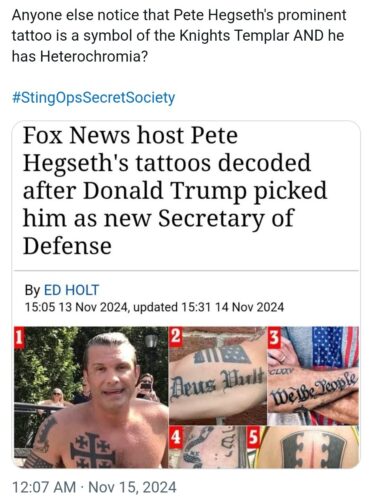
The EU forcing reformulation and regulation in 2022 suggests the science already is there. America however still treats tattoo risks like they are only for prisoners, sailors and clowns.
The study used REACH-compliant inks from a major supplier (Intenze). So even the “good” ink that meets EU standards produced these effects. The regulatory gap isn’t just about banning the worst chemicals. The fundamental practice of injecting persistent foreign material into tissue creates inflammatory burden regardless of formulation.