An advertisement writer recently posted to LinkedIn his reflections on how to hire the best talent by using “the copy test“. It boils down to this:
… if you can get your readers to empathise with you, in a tone they resonate with, you’ve won.
Judging by comments I sometimes get here (e.g. a white woman angry about my Dambusters post because she thinks the n-word is a very fine name for a dog)… clearly I still have more copy tests to do before I’ve won.
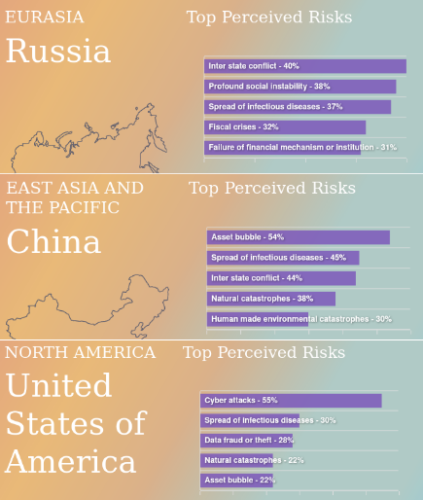
In related news, a book by Thomas Kent is coming out now with advice on how to advance democratic values to combat dangerous Russian propaganda.
Significant attention has been given to Russian disinformation operations and their corrosive effect on the United States and other democratic governments. The Western responses have thus far been weak and uncoordinated, according to Thomas Kent, former president of Radio Free Europe/Radio Liberty who is currently a Jamestown Senior Fellow and adjunct associate professor at Columbia University. He proposes an energetic new strategy to confront this threat: aggressive messaging to combat Russian information operations, while promoting the values of democracy that too many in the West have lost faith in.
I look forward to seeing how to get Russian readers to empathize with American democracy.
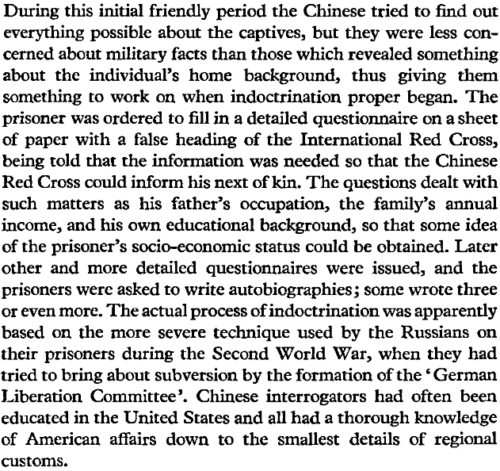
And on that note, a very old book called “Techniques of Persuasion” looked into Communist indoctrination camps run by the Chinese during the Korean War and highlighted how important information gathering (“confession”) was to any propaganda method.
Similar methods are described in the film “The Luft Gangster: Memoirs of a Second Class Hero“. When black pilot Lt. Col. Alexander Jefferson, USAF (Ret) was shot down in Germany he was surprised to find Nazi prison camps working hard to get empathy out of him.
The Nazis demonstrated they already had access to every detail of every American’s life down to home street, even showing him high school photos. The real elephant in the room, and palpable in the film, is whether Jefferson fell for Nazi propaganda that they respected his life more than America.
That kind of propaganda gets right into the question of using tribalism to undermine morale and distract enemies from any kind of unified objective. It’s a whole other level of winning, as documented by the Naval Postgraduate School (NPS).
…conflict does not necessarily imply a pure contest of arms. It may center on an economic crisis, a sponsored pattern of betrayal and defection, or broad civil unrest. Whatever form it takes, it remains for the instigator a divide-and-exploit or divide-and-distract strategy that turns the enemy against himself, away from others, and exposes opportunities not otherwise available to an external State actor.
Allegedly it was this kind of strategic thinking that compelled Britain, France and America to operate heavy propaganda and even false flag operations in Africa through the 1980s intended to undermine black nationalism. More specifically, the racist apartheid government of South Africa wanted all its neighboring states to constantly be in a state of permanent improvisation and thus frame itself — an oppressive white police state — as the only stable regional partner for business deals.