
Every time someone says surveillance capitalism is a novel theory recently discovered, I think about decades of science like this:
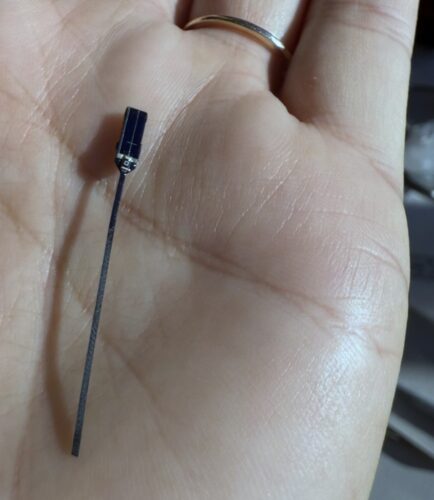
The more scientists know about a particular species, the easier it is to protect. So in an effort to eventually track how these pollinators use their overwintering habitat and nectar flowers close by, staff from organizations such as the U.S. Fish & Wildlife Service Coastal Program in Central California and the biological and environmental consulting firm Althouse & Meade tagged monarchs in three locations across San Luis Obispo and Santa Barbara Counties in November 2025.
The effort is part of a study testing technology that can monitor monarch movement and migration. These tags look like an antenna sticking out of a small rectangular box, and staff used eyelash glue to stick them to the back of the butterflies. The tagging system employs solar-powered radio telemetry tag technology, which sends geospatial data through radio waves.
Works for butterflies? That’s great news for people working on the surveillance of everything else.
Notice the “easier to protect” framing. Related: tracking insects leads to more effective methods of automation in killing them.
- 2025: Precision death machines
- 2019: Micro dose targeting