On April 20, 1871, President Grant signed the Ku Klux Klan Act. Within six months he had suspended habeas corpus in nine South Carolina counties and sent federal troops into the upcountry to break the Klan. On March 1, 1872, he signed the Yellowstone Act, declaring the land…
reserved and withdrawn from settlement, occupancy, or sale under the laws of the United States, and dedicated and set apart as a public park or pleasuring-ground for the benefit and enjoyment of the people.
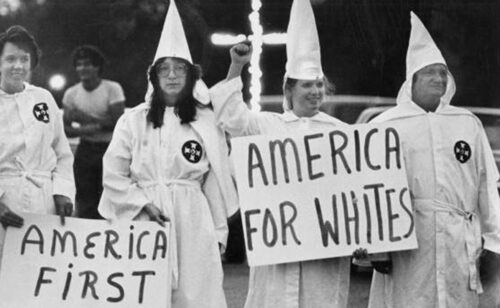
Ten months separate the two signatures because they are related. Both rested on the same premise that federal authority, once asserted, would be enforced against private interests that considered themselves above the law. Fifty years later those interests marched under the banner America First, when the second Klan claimed the slogan as its own, advertised itself as the only America First society, and asserted a copyright it never held.
Enforcement continued past the appropriation. Congress paid Yellowstone’s first superintendent nothing for five years, then in 1886 eliminated the civilian budget entirely, and the Army took the duty. Cavalry patrols reached Yosemite and Sequoia in 1891. In the seasons of 1899, 1903, and 1904 the duty fell to Buffalo Soldiers of the 24th Infantry and 9th Cavalry, who evicted the sheep herders and timber cutters. Captain Charles Young of the 9th, acting superintendent of Sequoia in 1903, completed the wagon road into the Giant Forest that a decade of civilian administration had failed to build.
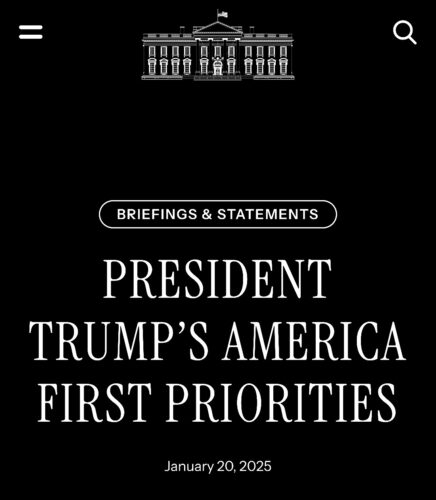
Fast forward to the Trump “America First” administration, which has spent more than a year discussing a land exchange with Kingsbarn Realty Capital. The Nevada firm holds property on Yosemite’s western edge, where it plans upscale single-family homes. These developers want to pave a road from those homes to the park to reduce 28 miles to 11. A previous owner tried to develop the same parcel and win road access, and a court stopped him a decade ago. Kingsbarn’s lawyer says the exchange would avoid the legal obstacles that stopped that owner in court. A loophole, in plainer words. Interior says no final decision has been made.
No statute needs repeal. An exchange of equal value, papered by counsel, targets what the Congress that armed Grant against the Klan withdrew from sale.