
Li Shangyin (義山) was a Chinese poet of the Tang Dynasty (618 – 907). He wrote in the format of Lu Shi — eight lines of five or seven words each.
Exposition (qi) was called for in the first two lines; the development of the theme (cheng), in parallel verse structure, in the middle, or second and third, couplets; and the conclusion (he) in the final couplet.
Hundreds of Shangyin poems may be called “Wuti” (無題 – Untitled). It makes for an interesting challenge to select one to read. With that in mind, here is one such “Untitled” poem: number 215 from “300 Tang Poems” as posted online by the Chinese Text Initiative of the University of Virginia
嚙諛剁蕭嚙踝蕭嚙踝蕭嚙瞌嚙踝蕭嚙踝蕭嚙璀
嚙瘤嚙踝蕭嚙盤嚙瞌嚙褊迎蕭嚙豎。
嚙皺嚙踝蕭嚙趣死嚙踝蕭嚙踝蕭嚙褕,
嚙踝蕭嚙踝蕭嚙踝蕭嚙褒淚嚙締嚙踝蕭嚙瘠
嚙踝蕭嚙踝蕭嚙踝蕭嚙確嚙踝蕭嚙皺嚙踝蕭嚙璀
嚙稽嚙線嚙踝蕭覺嚙踝蕭嚙踝蕭嚙瘡嚙瘠
嚙踝蕭嚙豌佗蕭嚙篁嚙盤嚙篁嚙踝蕭嚙璀
嚙瘠嚙踝蕭嚙踝蕭嚙諂穿蕭嚙踝蕭嚙豎。
Here is my translation:
The time since she left is hard to bear,
as flowers wither after they lose their petals to the east wind.
Only in death do spring worms stop weaving silk;
as candles provide light while they cry themselves into ash.
Clouds in the early morning mirror reflect her hair changing colour,
the chant of the month feels cold in moonlight.
Magic mountain is near when you see no more road,
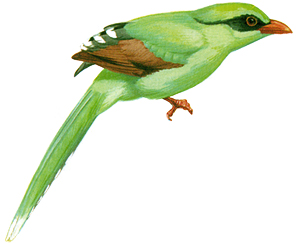
pay attention green bird and carry her message to me.
For reference, here is the Google Translate output
When you meet difficult Bie Yinan,
the Dongfeng weakness flowers residues.
Till death do us part,
wax torch ashes tears dry.
Xiao-Jing but worry shallow change,
night Yin should feel the moonlight cold.
Penglai this multi-channel,
Bluebird attentive to peek.
And here is the translation by Witter Bynner.
Time was long before I met her, but is longer since we parted,
and the east wind has arisen and a hundred flowers are gone.
And the silk-worms of spring will weave until they die,
and every night the candles will weep their wicks away.
Mornings in her mirror she sees her hair-cloud changing,
yet she dares the chill of moonlight with her evening song.
…It is not so very far to her Enchanted Mountain,
O blue-birds, be listening!-Bring me what she says!
:)