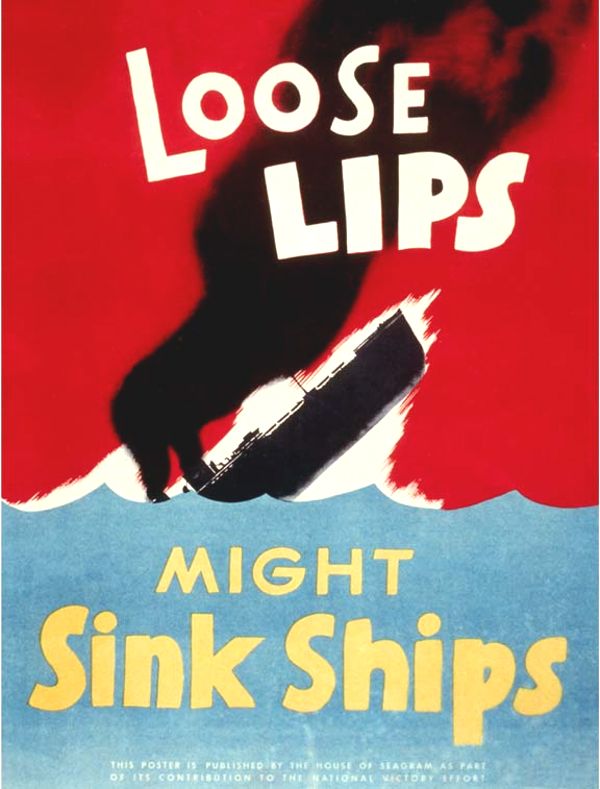
Few of us are probably lucky enough to invent something as contagious as a Security-Tubby or a Barney character. Instead, we are stuck with the task of creating “fun” posters with slogans.
One of my more successful ones so far has been based on the saying “Ctrl-Alt-Del when you leave your seat”.
People tell me that no matter how rediculous they might find security slogans at first, eventually this one grows on them and they can’t help but sing it aloud when they leave the office. You know you have won over your users when they start to beg for more effective ways to comply with the “Ctrl-Alt-Del song”.
I usually give them a tip like the following:
Although a screen lock button is already provided in most X distros, including Linux, Windows folks are usually in need of a shortcut. They’re simple to create with the following command:
%windir%\system32\rundll32.exe user32.dll,LockWorkStation
Then change the icon to something that looks like a “lock”. The orange key seems most popular among XP users (consistency helps the helpdesk) and can be found in the following library:
%SystemRoot%\system32\shell32.dll

Just put the button wherever convenient (desktop, taskbar, start, etc.) Although the setup is easily scripted and deployed over the network, sometimes it is best to hand it out to all your users like a present during the holiday season — “Security wishes you a safe and secure holiday. We hope you enjoy this new button.”
And believe it or not, people who start using this button will still say “hey, I did the Ctrl-Alt-Del thing, go check my screen”, even though they no longer are touching the keyboard when they step away. Ah, the power of security slogans.
 Unfortunately not all slogans are as catchy. Messages from security easily get lost in the sea of information users have to process every day and most of the other material they hear is so polished that phrases like “don’t get hooked by phishers” tend to blend right into the wallpaper. Thus, I believe the world of security would be far better off if more wordsmiths and poets were employed to craft our message, perhaps even at the state or federal level. Nothing too fancy would be necessary as the slogans that always seem to do best are the simple ones — “loose lips might sink ships”.