Just three years after a code of ethics was drafted in Nuremberg (condemning Nazis for experimenting on humans without consent and with no benefit to test subjects) the US started a massive bioweapons test… violating the code:
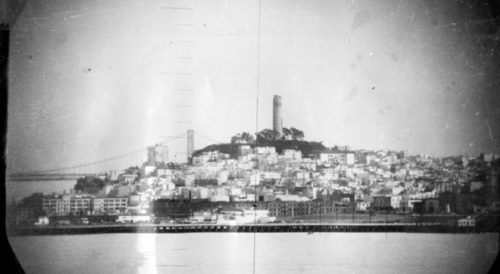
Over a period of six days in September 1950, members of the US Navy sprayed clouds of Serratia from giant hoses aboard a Navy minesweeper drifting two miles along the San Francisco coastline, a bacterial fog quickly enveloped and disguised by the region’s own mist. By monitoring the air at 43 scattered sites throughout the region, the Navy found Serratia bacteria blown throughout San Francisco and extending to the adjacent communities of Albany, Berkeley, Daly City, Colma, Oakland, San Leandro, and Sausalito
Eleven fell sick from the experiment, one died.
A week after the spraying, eleven patients were admitted to the now defunct Stanford University Hospital in San Francisco with severe urinary tract infections, resistant to the limited antibiotics available in that era. One gentlemen, recovering from prostate surgery, developed complications of heart infection as Serratia colonized his heart valves. His would be the only death during the aftermath of the experiment.
Such practices are said to have continued all the way to November 25, 1969.
From 1950 to 1966, the military performed open-air testing of potential terrorist weapons at least 239 times in at least eight American cities, including New York City, Key West, and Panama City, FL, exposing still unknown numbers of Americans to Serratia and other microbial organisms.
It all supposedly came to an abrupt end on that single day in 1969 because President Nixon made an offical “Statement on Chemical and Biological Defense Policies and Programs”.
The United States shall renounce the use of lethal biological agents and weapons, and all other methods of biological warfare. The United States will confine its biological research to defensive measures such as immunization and safety measures
Instead, Ronald Reagan with Donald Rumsfeld just fourteen years later did the opposite and shipped bioweapons into Iraq for offensive measures including use against their own population.
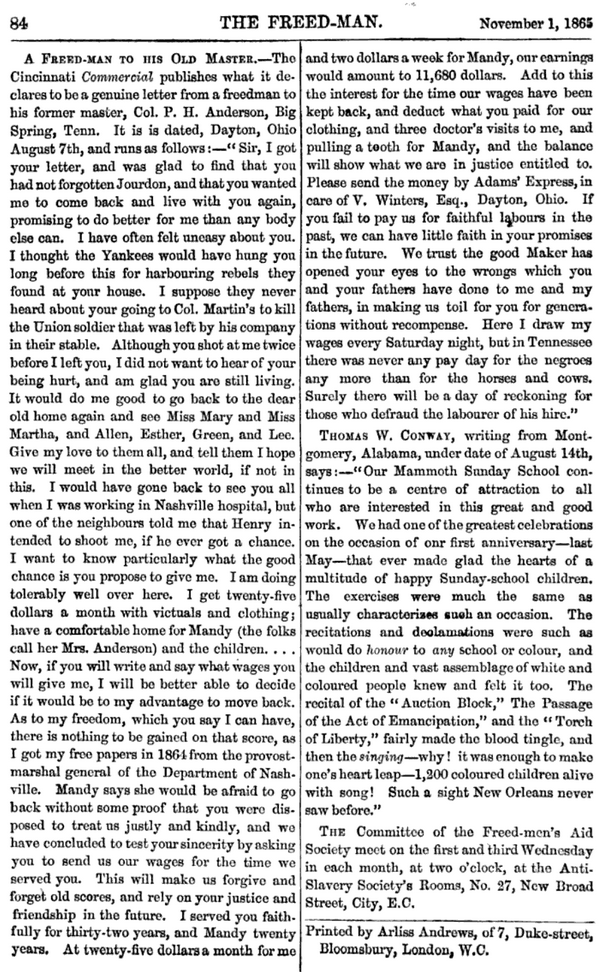
After Rumsfeld’s visit to Baghdad in 1983, U.S. intelligence began supplying the Iraqi dictator with satellite photos showing Iranian deployments. Official documents suggest that America may also have secretly arranged for tanks and other military hardware to be shipped to Iraq in a swap deal–American tanks to Egypt, Egyptian tanks to Iraq. Over the protest of some Pentagon skeptics, the Reagan administration began allowing the Iraqis to buy a wide variety of “dual use” equipment and materials from American suppliers. According to confidential Commerce Department export-control documents obtained by NEWSWEEK, the shopping list included a computerized database for Saddam’s Interior Ministry (presumably to help keep track of political opponents); helicopters to transport Iraqi officials; television cameras for “video surveillance applications”; chemical-analysis equipment for the Iraq Atomic Energy Commission (IAEC), and, most unsettling, numerous shipments of “bacteria/fungi/protozoa” to the IAEC. According to former officials, the bacteria cultures could be used to make biological weapons, including anthrax. The State Department also approved the shipment of 1.5 million atropine injectors, for use against the effects of chemical weapons, but the Pentagon blocked the sale. The helicopters, some American officials later surmised, were used to spray poison gas on the Kurds.
The United States almost certainly knew from its own satellite imagery that Saddam was using chemical weapons against Iranian troops. When Saddam bombed Kurdish rebels and civilians with a lethal cocktail of mustard gas, sarin, tabun and VX in 1988, the Reagan administration first blamed Iran, before acknowledging, under pressure from congressional Democrats, that the culprits were Saddam’s own forces. There was only token official protest at the time. Saddam’s men were unfazed. An Iraqi audiotape, later captured by the Kurds, records Saddam’s cousin Ali Hassan al-Majid (known as Ali Chemical) talking to his fellow officers about gassing the Kurds. “Who is going to say anything?” he asks. “The international community? F– them!”
Read that again: President Reagan almost certainly knew from satellite imagery that Saddam was using chemical weapons on his own population… and offered only token official protest at the time.
Who is going to say anything, indeed.
This perhaps gives insight into the false claims by extreme right-wing groups about vaccination (e.g. claiming it is unsafe or that it does harm). They probably celebrated Reagan’s use of power for thoughtless violations of ethical and moral codes, and now are projecting — find it hard to believe anyone given power would do what’s right.